How The Atlanta Journal-Constitution Converted More Subscribers with Less Traffic
A Digital Experience Optimization Audit™ helped AJC uncover critical friction points on their subscription landing page and build a roadmap to fix them.

Overview
The Atlanta Journal-Constitution (AJC) is the largest and most widely read news organization in the state of Georgia.
As one of the American South’s most trusted media brands, AJC serves readers across Atlanta and beyond with award-winning local journalism, investigative reporting, and in-depth coverage of politics, sports, business, and community life.
Like many legacy media organizations, AJC has navigated a fundamental shift from print to digital, making its online subscription product both a revenue imperative and a measure of audience loyalty.
The Challenge
AJC had a conversion problem hiding in plain sight. While their subscription landing page (ajc.com/start) was generating steady traffic, the vast majority of visitors, particularly on mobile, were leaving without subscribing.
With mobile representing the largest share of site sessions, a mobile conversion rate of 0.7% represented a significant missed opportunity.
The team knew something wasn’t working, but lacked sufficient user behavior data to understand why. Was it the offer structure? The pricing presentation? The comparison chart? The value proposition? Without clear answers, every change was a guess.
AJC engaged The Good to conduct a Digital Experience Optimization (DXO) Audit™, a comprehensive, research-led review of their subscription experience designed to uncover the friction points holding conversions back.
The Process
The Good’s DXO Audit™ is grounded in a multi-method research approach that combines quantitative data analysis with direct user observation. For AJC, the process unfolded across four phases:
1. Data Foundations
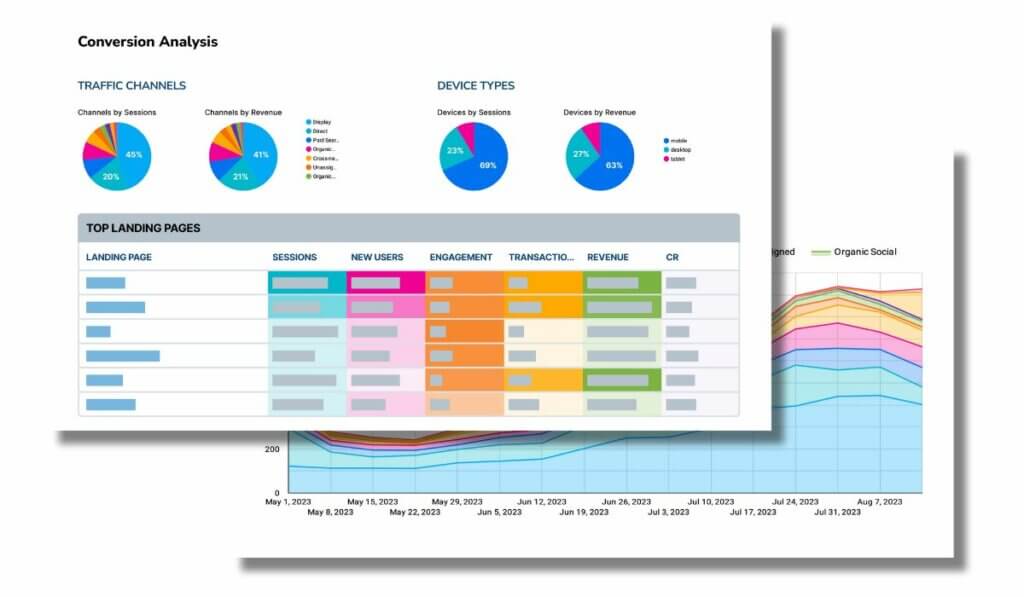
The Good analyzed Google Analytics data spanning the previous year, establishing baseline performance, understanding seasonality, identifying top acquisition channels, and mapping device-level behavior. This revealed that mobile drove the majority of sessions but converted at roughly half the rate of desktop.
2. DXO Program Canvas™ & Strategy Key™
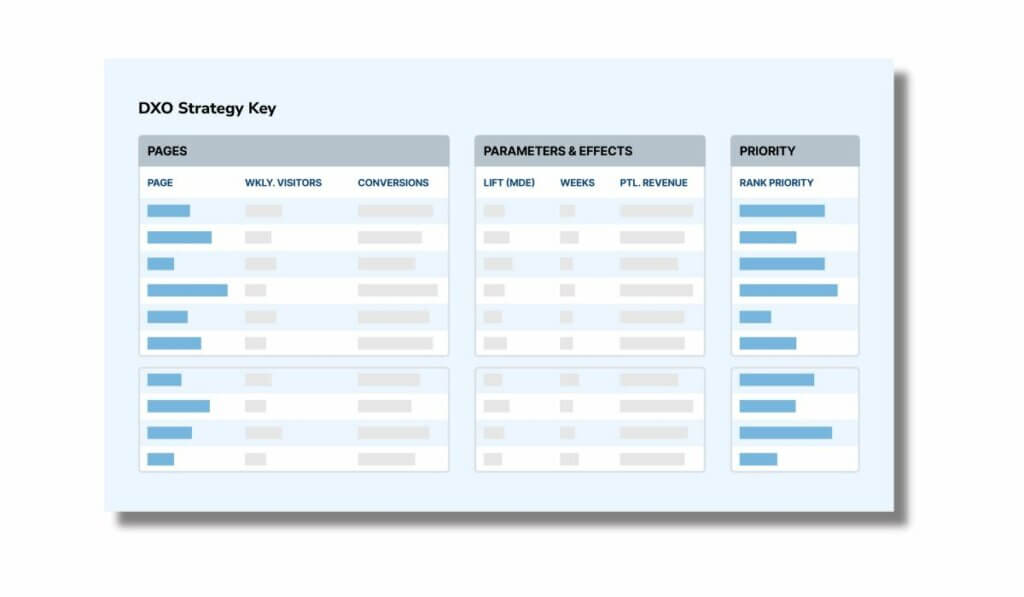
Working with AJC’s team, The Good co-created a structured optimization framework defining goals, constraints, key segments (mobile vs. desktop, organic vs. paid), and the specific page areas (hero, comparison chart, featured content, checkout modal, and FAQ) where improvements would have the greatest impact.
3. Experience Research
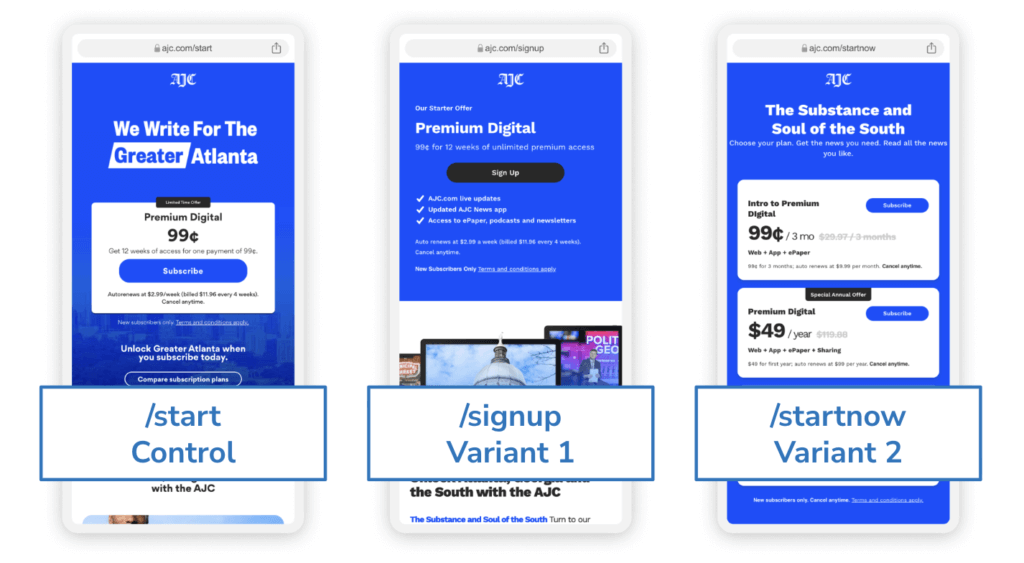
The Good recruited qualified participants matching AJC’s core audience profile for unmoderated user testing with think-aloud protocol. Cohorts of testers navigated each of the three subscription landing page variants on both desktop and mobile, surfacing friction in real time.
A layer of additional research, including AI-powered heatmap analysis and rapid preference and first-click testing, helped to confirm the challenges.
4. Strategic Roadmap
Research findings were synthesized into a prioritized DXO Action Plan™ with specific, actionable recommendations mapped by page section and implementation timeline.

The Solution
The research uncovered a clear pattern: the subscription landing page was creating cognitive overload rather than confidence.
Several specific barriers were identified and addressed:
Confusing offer structure eroded trust
User testing revealed that presenting the promotional “Digital Special” offer alongside the regular “Premium Digital” plan side by side in the comparison chart caused visitors to perceive them as two different products. Testers described the layout as “scammy” and expressed confusion that the same product appeared twice at different prices.
The recommendation: Simplify the offer hierarchy and eliminate the trust-damaging presentation.
Pricing complexity was increasing drop-off
AJC’s weekly pricing structure stood out as unusual in a market where monthly billing is the norm. User testers flagged this repeatedly, with one noting that “every other subscription is a monthly plan.” The comparison chart’s layout compounded this by asking users to do mental math rather than simply recognizing the value.
The recommendation: Reduce pricing complexity and orient the page around the featured offer.
The hero section wasn’t converting mobile users
Heatmap analysis and first-click testing showed that fewer users were selecting the featured offer in the hero (28%) than clicking through to the comparison chart (36%). This meant visitors were doing extra work to find the best deal rather than acting on the most prominent placement.
The recommendation: Restructure the hero to put the primary offer front and center with a single, clear CTA.
Content wasn’t making the case for subscription value
User testers consistently said they wanted to see examples of AJC’s journalism before committing to a subscription. The “Unlock Atlanta” section had the right intent but wasn’t delivering on the promise.
The recommendation: Use the section to showcase real story examples, value propositions, and social proof to prime users toward conversion.
Offer visibility on mobile was insufficient
Rapid testing with 20 mobile participants showed that 65% preferred a variant that displayed all subscription options above the fold, giving users immediate clarity without requiring scrolling or searching.
The recommendation: Lead with all offers visible above the fold on mobile.
The Results
AJC thoughtfully implemented the DXO Audit™ recommendations, adapting the guidance to their technical constraints and business context. They also layered in complementary changes, including an annual subscription option and channel-specific offer routing for paid campaigns.
Comparing the KPIs for before and after the changes, the results were striking:
- Overall conversion rate saw a 56% increase even as total traffic to the page declined, reflecting both improved page quality and more targeted paid campaign routing.
- Mobile conversion rate had a 157% improvement, successfully leveraging the high traffic channel
- Total starts held steady despite 34% fewer total visitors reaching the page, demonstrating improved per-visitor efficiency.
- A new annual subscription tier (introduced alongside the audit recommendations) captured almost half of new starts, improving retention and lifetime customer value.
How The AJC Achieved A 56% Increase In Conversions With The Good
The results we unlocked for The Atlanta Journal-Constitution were the direct result of The Good’s Digital Experience Optimization (DXO) Audit™. If you’re interested in learning how a fresh, research-driven perspective can improve your subscription or conversion experience, get in touch.